

01 Oct Optic Atrophy Treatment in India: A Step-by-Step Roadmap for Patients and Families
Medically reviewed by Dr. Prashant Tyagi (Stem Cell Biotechnology Specialist, 10+ years) and Dr. Pallavee Senior Consultant | Ophthalmologist & Eye Surgeon 22+ Years Experience
Hearing the words “optic atrophy” can feel overwhelming, especially when vision has already started to fade. The encouraging part is that care in India follows a clear sequence of steps. Knowing that sequence helps patients and families ask better questions, avoid unnecessary delays and begin treatment with realistic expectations.
Step 1: Find the Underlying Cause
Optic atrophy is not a single disease. It is the end result of damage to the optic nerve, the cable that carries visual signals from the eye to the brain, and medical references describe it as the end stage of a disease process affecting the visual pathway (NCBI StatPearls). That damage can come from glaucoma, poor blood supply, inflammation, head injury, toxins, nutritional deficiency, pressure from a tumour or an inherited condition. Doctors in India begin by finding out which of these is responsible, because the cause decides the entire treatment plan.
Step 2: Complete the Right Evaluation
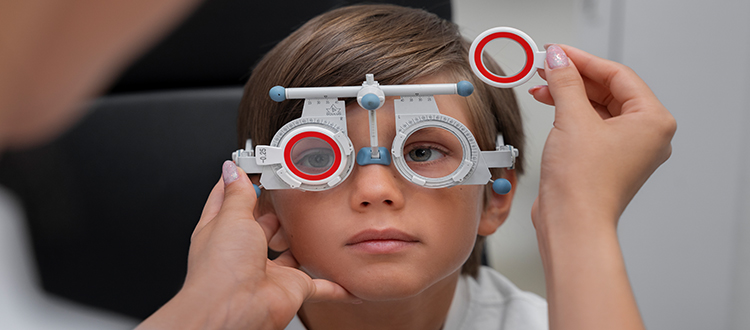
A proper evaluation usually includes a detailed history, visual acuity, colour vision and visual field testing, an optic disc examination and OCT imaging of the nerve fibre layer. Depending on the case, an MRI scan or blood tests may be added. Carry old prescriptions, scans and reports with you, because earlier records show how quickly the condition is progressing.
Step 3: Treat the Cause and Protect the Remaining Nerve
This is where treatment can make the biggest difference. Examples include lowering eye pressure in glaucoma, using steroids or immune-modulating medicines in inflammatory disease, correcting vitamin B12 deficiency, stopping exposure to a harmful drug or toxin, and treating a lesion that presses on the nerve. The goal is to prevent further loss of vision. Nerve fibres that have already died cannot be regrown with any established treatment available today.
Step 4: Consider Supportive and Regenerative Options
Step 4: Consider Supportive and Regenerative OptionsSome centres in India offer stem cell therapy as a supportive, regenerative option, and you can read what the researcher says on our blog. However, the ICMR National Guidelines for Stem Cell Research state that stem cell use in patients, other than blood stem cell transplantation for approved conditions, is still investigational. Results vary from person to person and it is not a guaranteed cure. Ask whether the treatment is offered within an approved, monitored clinical trial, and request a written eligibility assessment with a clear explanation of risks.
Step 5: Build Vision Rehabilitation Into the Plan
Vision rehabilitation is often overlooked. Magnifiers, high-contrast lighting, screen-reading tools and orientation training help patients make the most of the vision they still have. Counselling and family support matter too, since sudden vision changes can affect confidence and daily independence. Regular follow-up with OCT and visual field tests then shows whether the condition is stable.
Take the Next Step Early
The sooner the cause is identified, the more optic nerve function there may be left to protect. If you would like specialists to review your reports, you can request a free telephonic consultation through the contact page of optic-atrophy.com. Patients travelling from other cities or countries should also confirm that online consultations and follow-up care are available.
Medical & Government References:
- Indian Council of Medical Research (Government of India): National Guidelines for Stem Cell Research, 2017
- American Academy of Ophthalmology: What Is Optic Atrophy?
Related Readings
Optic Nerve Damage Treatment in India

Sorry, the comment form is closed at this time.