

Contact Us
+91 -9891818024
About Us
Leading Stem Cell Therapy Center for Optic Atrophy Treatment in India
At Optic Atrophy Treatment Center, we specialize in providing advanced stem cell therapy for optic atrophy to patients from India and around the world. Our regenerative medicine approach focuses on supporting optic nerve health, protecting remaining vision, and improving the quality of life for individuals affected by optic nerve damage. With over 15 years of experience in regenerative medicine, our team has treated patients with various forms of optic atrophy, including hereditary optic neuropathy, ischemic optic neuropathy, traumatic optic neuropathy, toxic optic neuropathy, glaucoma-related optic atrophy, and other complex vision disorders.
Every treatment plan is personalized after a detailed medical evaluation to ensure the most appropriate approach for each patient. Patients from more than 100 countries have trusted our expertise for advanced stem cell therapy and comprehensive medical support. Our commitment to ethical care, experienced specialists, and patient-focused treatment has made us a preferred destination for individuals seeking innovative treatment options for optic atrophy in India.
Learn More About Our TreatmentTypes of Optic Atrophy We Treat
Optic Atrophy
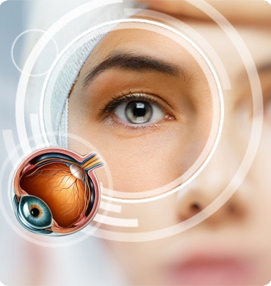
Optic atrophy causes optic nerve degeneration, leading to blurred vision, color loss, and permanent blindness.
Read More
Optic Neuritis
Explore regenerative treatment options for optic neuritis and optic nerve inflammation.
Ischemic Optic Neuropathy
Understand how stem cell therapy may help support vision affected by ischemic optic neuropathy.

Wolfram Syndrome
Discover treatment approaches for vision loss associated with Wolfram syndrome.

Toxic Optic Neuropathy
Learn about optic nerve damage caused by toxins and available regenerative therapies.

Costeff Syndrome
Find information about hereditary optic neuropathy and personalized treatment options.
Glaucoma Optic Atrophy
Explore advanced regenerative medicine for glaucoma-related optic nerve damage.
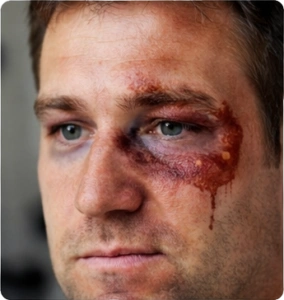
Traumatic Optic Neuropathy
Understand stem cell therapy options following optic nerve injury caused by trauma.

Leber Hereditary Neuropathy
It is a rare, mitochondrially-inherited condition that causes sudden, painless central vision loss

Optic Nerve Hypoplasia
It is a congenital condition where the optic nerve does not fully develop during pregnancy.

Bile Syndrome Eye Disease
It refers to the rare but serious eye complications arising from Congenital Bile Acid Synthesis

Papilledema- Related Optic Atrophy
It is the permanent loss of nerve function that follows prolonged,
Not sure which type of optic atrophy you have? Our specialists can review your medical reports and recommend the most suitable treatment approach.
Get Free Medical Opinion
Our Specialists

Dr. Pawan
Associate Professor, Vitreo-Retina Surgeon. 10+ Years Experience
Retinal disorders, diabetic retinopathy, and advanced retina procedures. Provides diagnostic evaluation and treatment planning for international patients.

Dr.Pallavee
Senior Consultant Ophthalmologist & Eye Surgeon· 26+ yrs experience
Areas of Focus: Cataract surgery, corneal disorders, refractive procedures, and glaucoma management. Provides comprehensive eye care and surgical expertise for global patients.
Dr. Robin
Consultant Ophthalmologist & Eye Surgeon, MD, DO .16+ Years Experience
Areas of Focus: Cataract surgery, corneal disorders, refractive procedures, and glaucoma management. Provides comprehensive eye care and surgical expertise for global patients.
We care more than just your eyes

Free
Telephonic Consultation

10+
Experience Year

85%
Success Rate

5000+
Med Treat Center
Symptoms of Optic Atrophy
Optic atrophy develops when the optic nerve is damaged, disrupting the transmission of visual information from the eyes to the brain. Symptoms may appear gradually or suddenly, depending on the underlying cause and the extent of nerve damage. Early diagnosis is important because timely treatment may help preserve remaining vision and improve overall quality of life.
Common symptoms of optic atrophy include blurred or reduced vision, difficulty recognizing colors, decreased contrast sensitivity, blind spots in the visual field, and loss of peripheral vision. Some patients may also experience problems with depth perception or difficulty seeing in dim lighting. If these symptoms persist, a comprehensive eye examination and medical evaluation should be performed by an experienced specialist.
Causes of Optic Atrophy
Optic atrophy can result from several medical conditions that damage the optic nerve. Common causes include glaucoma, ischemic optic neuropathy, optic neuritis, traumatic eye or head injuries, hereditary optic neuropathies, brain tumors, infections, and certain neurological disorders. In some cases, prolonged nutritional deficiencies or exposure to toxic substances may also contribute to optic nerve damage.
Identifying the underlying cause is an essential part of treatment planning. A detailed medical history, imaging studies, and specialized eye examinations help specialists determine the severity of the condition and recommend the most appropriate treatment approach for each patient.
Diagnosis of Optic Atrophy
An accurate diagnosis is essential before considering any treatment for optic atrophy. Specialists evaluate the patient's medical history, vision changes, and underlying health conditions before recommending further investigations. Early diagnosis helps determine the extent of optic nerve damage and allows for a more personalized treatment plan.
Diagnostic evaluation may include Optical Coherence Tomography (OCT), Visual Field Testing, Fundus Examination, MRI, CT Scan, and laboratory investigations to determine the underlying cause of optic nerve damage. These assessments help determine whether stem cell therapy may be a suitable treatment option for the patient.
Our Stem Cell Treatment Process
Every patient begins with a comprehensive Medical Evaluation, during which our specialists carefully review medical history, diagnostic reports, and vision assessments to determine treatment eligibility. Once the evaluation is complete, a personalized treatment plan is developed through an Eligibility Assessment, ensuring the therapy is tailored to the patient's specific condition and treatment goals.Following approval, Stem Cell Therapy is performed under strict medical protocols by experienced specialists. After the procedure, patients receive continuous Monitoring, regular follow-up consultations, and rehabilitation guidance to evaluate recovery and support long-term visual health. Our commitment to Follow-up Care ensures every patient receives ongoing medical support throughout their treatment journey.
Benefits of Stem Cell Therapy for Optic Atrophy
Stem cell therapy offers a regenerative approach that focuses on supporting optic nerve health rather than only managing symptoms. While treatment outcomes vary among individuals, this therapy is being explored for its potential to reduce inflammation, support tissue repair, preserve remaining vision, and improve overall visual function in eligible patients.
At Optic Atrophy Treatment Center, every treatment plan is personalized according to the patient’s condition and medical evaluation. Our experienced specialists provide comprehensive care before, during, and after treatment, ensuring continuous support throughout the patient’s recovery journey. For many patients, stem cell therapy represents an advanced option when conventional treatments offer limited improvement.
Our goal is to help preserve remaining vision, support optic nerve function, and improve quality of life through evidence-based regenerative medicine. While treatment outcomes vary for every patient, our experienced medical team provides comprehensive care, continuous monitoring, and dedicated follow-up throughout the treatment journey.
Personalized Medical Evaluation
Advanced Stem Cell Therapy Protocols
Experienced Regenerative Medicine Specialists
International Patient Assistance
Comprehensive Follow-up Care
Patient Testimonials
What Our Customers Are Saying About Us?

Michael Thompson, USA
After being diagnosed with optic atrophy, we explored several treatment options but found very limited improvement. Choosing Optic Atrophy Treatment Center gave us renewed confidence. The medical team explained every step clearly and provided excellent support throughout the process. Over time, we noticed encouraging improvements and better visual responsiveness. We are grateful for their professionalism and care.

Sarah Williams, Australia
Traveling from overseas for treatment was a major decision for our family, but the entire experience was smooth and well-managed. The team provided continuous assistance from consultation to follow-up. Their advanced approach and patient-focused care made us feel comfortable and supported. We truly appreciate their dedication and commitment.
Ahmed Al Mansoori, UAE
Our experience with Optic Atrophy Treatment Center has been positive from start to finish. The staff was knowledgeable, responsive and compassionate during the entire treatment journey. The structured treatment approach and personalized attention helped us remain hopeful and confident. We are thankful for the support and expertise provided by the team.
Hear From Our Patients
Listen to patients from different countries as they share their experiences with stem cell therapy for optic atrophy. Their stories reflect their treatment journey, medical care, and overall experience with our team.
If you Have Any Questions Call Us On +91-9891818024, +91-9650988899
Frequently Asked Questions About Stem Cell Therapy for Optic Atrophy
What is optic atrophy?
Optic atrophy is a condition in which the optic nerve becomes damaged, affecting the transmission of visual signals from the eye to the brain. This can lead to partial or complete vision loss, depending on the severity and underlying cause.
Can stem cell therapy help treat optic atrophy?
Stem cell therapy is a regenerative medicine approach that may help support optic nerve health, reduce inflammation, and preserve remaining vision in eligible patients. Treatment suitability and outcomes vary based on the individual’s condition and the extent of optic nerve damage.
Who is eligible for stem cell therapy for optic atrophy?
Eligibility is determined after a comprehensive medical evaluation. Our specialists review your medical history, diagnostic reports, imaging studies, and overall health before recommending a personalized treatment plan.
What tests are required before treatment?
Patients may be advised to undergo a detailed eye examination, Optical Coherence Tomography (OCT), Visual Field Test, Fundus Examination, MRI or CT scan (if required), and other investigations to assess optic nerve damage and determine treatment eligibility.
How long does stem cell treatment take?
The duration of treatment depends on the patient’s condition and personalized treatment protocol. During your consultation, our medical team will explain the expected treatment timeline and follow-up schedule.
Are there any risks associated with stem cell therapy?
Every medical procedure has potential risks. Before treatment, our specialists perform a detailed evaluation and explain the possible benefits, limitations, and safety considerations so patients can make an informed decision.
Do you provide treatment for international patients?
Yes. We regularly assist patients from different countries by offering online medical consultations, treatment planning, travel guidance, accommodation support, and follow-up care throughout their treatment journey.
How can I book a consultation?
You can schedule a consultation by filling out the enquiry form on our website or contacting our patient care team directly. After reviewing your medical reports, our specialists will provide guidance on the most appropriate treatment options for your condition.
Can optic atrophy be cured in India?
There is currently no treatment anywhere in the world — including in India — that regenerates optic nerve fibres that have already died. What can be done is stopping further damage by treating the underlying cause early, and supporting the remaining nerve tissue through options such as stem cell therapy in suitable candidates.
How is optic atrophy treated in India?
Treatment always starts with identifying and addressing the specific underlying cause. Once that underlying cause is stable, supportive regenerative options like stem cell therapy may be considered for suitable candidates.
Is stem cell therapy for optic atrophy proven or experimental?
It is an area of active study rather than an established, universally proven cure. We discuss the current evidence, realistic expectations, and limitations openly with every patient before proceeding.
Who is a suitable candidate for optic atrophy treatment with stem cell therapy?
Suitability is assessed case-by-case based on the specific optic nerve condition, how much nerve tissue remains, and whether the underlying cause is under control. We review your reports before confirming candidacy.