

15 Sep Stem Cell Therapy for Optic Nerve Regeneration: What the Research Says
Medically reviewed by Dr. Prashant Tyagi (Stem Cell Biotechnology Specialist, 10+ years) and Dr. Pallavee Senior Consultant | Ophthalmologist & Eye Surgeon 22+ Years Experience
The optic nerve is often described as one of the most difficult parts of the human body to repair once damaged. Unlike many other tissues, mature optic nerve fibers have very limited natural ability to regenerate after injury or disease. For patients living with optic nerve damage — from optic atrophy, glaucoma, trauma, or inherited optic neuropathies — this makes stem cell research an area of intense scientific interest, but also one where expectations need to be grounded in what the evidence currently shows.
Why the Optic Nerve Is So Hard to Regenerate
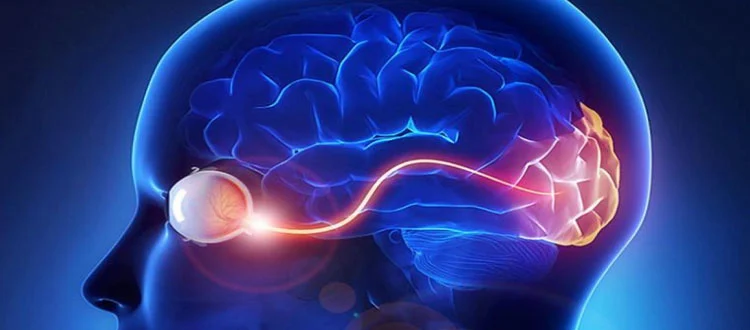
The optic nerve is made up of retinal ganglion cell (RGC) axons that carry visual signals from the eye to the brain. Once these axons are damaged:
- Adult RGCs have a very limited intrinsic capacity for regrowth
- The surrounding environment in the optic nerve actively inhibits axon regeneration (a protective mechanism against uncontrolled nerve growth elsewhere in the central nervous system)
- Even if a damaged axon could regrow, it would need to find its way back to the correct target in the brain to restore meaningful vision — a significant biological challenge
This combination is why optic nerve regeneration is considered one of the harder frontiers in regenerative medicine, more complex in some ways than regenerating other retinal cell types.
Current Research Approaches
- Retinal ganglion cell (RGC) replacement – using stem cell-derived RGCs to replace those lost to disease or injury, with research focused on helping new cells properly integrate and extend functional axons
- Neuroprotective stem cell approaches – using mesenchymal or other stem cells not to replace tissue, but to release protective factors that may help preserve remaining, at-risk nerve fibers before they’re lost
- Combination strategies – pairing stem cell approaches with techniques to modify the inhibitory environment around the optic nerve, or with electrical/biomaterial scaffolding to help guide any regrowth
What the Evidence Currently Shows
- Most optic nerve regeneration research remains in preclinical (laboratory and animal model) stages, with a smaller number of early-phase human safety trials underway for neuroprotective approaches.
- Some studies using neuroprotective stem cell strategies have shown preliminary safety data and, in limited cases, modest signals of visual function preservation — but not restoration of vision already lost.
- True regeneration of functional optic nerve axons — from stem cells to a working connection restoring vision — has not yet been demonstrated in human clinical trials.
- Researchers broadly agree this remains one of the most scientifically challenging goals in regenerative ophthalmology, likely requiring combination approaches rather than stem cells alone.
A Note of Caution
Because there is no proven cure for optic nerve damage, this is unfortunately an area where unregulated clinics sometimes market stem cell “treatments” directly to patients, without the backing of peer-reviewed evidence. Before considering any stem cell treatment for optic nerve conditions:
- Ask whether the treatment is part of a registered clinical trial with published, peer-reviewed safety and outcome data
- Be cautious of clinics promising vision restoration, given that no approach has yet proven this in controlled human studies
- Discuss any experimental treatment with your neuro-ophthalmologist before proceeding
What Can Help Today
While regeneration remains experimental, some steps can help preserve remaining optic nerve function or support quality of life:
- Prompt treatment of underlying causes (such as controlling eye pressure in glaucoma) to prevent further nerve damage
- Regular monitoring with OCT imaging and visual field testing
- Low-vision rehabilitation and assistive technology for those with existing vision loss
- Staying connected with a specialist to learn about legitimate clinical trial opportunities as research progresses
The Bottom Line
Stem cell-based optic nerve regeneration is a genuinely important and active area of research, but it remains firmly in the experimental stage, with significant biological hurdles still to overcome. Patients are best served by working with a neuro-ophthalmologist to monitor their condition, protect remaining vision, and stay informed about registered clinical trials as the science progresses.
Medical & Government References
- National Eye Institute (NEI), NIH – Optic Nerve and Regenerative Research
- National Institute of Neurological Disorders and Stroke (NINDS), NIH – Nerve Regeneration Research
Related Readings
Optic Atrophy Treatment in India

Sorry, the comment form is closed at this time.