

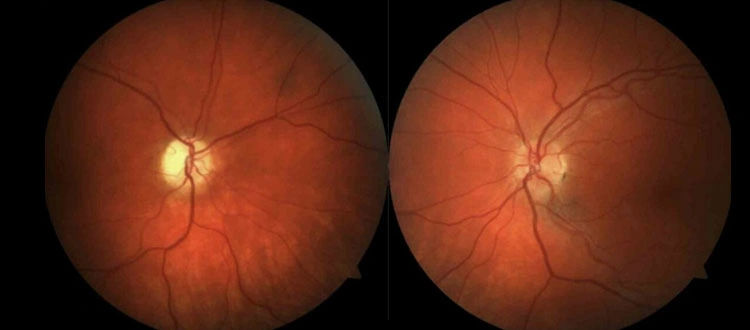
27 Jun Can Stem Cell Therapy Help Optic Nerve Damage? Understanding the Treatment Approach
The optic nerve plays a crucial role in vision by transmitting visual signals from the retina to the brain. When this nerve becomes damaged, the flow of information is disrupted, resulting in blurred vision, reduced visual sharpness, color vision problems, or partial vision loss. Optic nerve damage may occur due to conditions such as optic neuritis, glaucoma, ischemic optic neuropathy, trauma, infections, hereditary disorders, or prolonged pressure on the optic nerve.
While conventional treatment focuses on addressing the underlying cause and preventing further damage, many patients are now exploring regenerative medicine for additional support. Stem cell therapy for optic nerve damage is an emerging field that aims to support optic nerve health through regenerative mechanisms. Although research continues to evolve, this treatment is attracting attention from patients looking for advanced options alongside traditional ophthalmic care.
What Causes Optic Nerve Damage?
The optic nerve contains over one million nerve fibers that carry visual information from the eye to the brain. Damage to these fibers can interrupt normal vision and may occur due to several medical conditions.
Some common causes include:
- Optic neuritis
- Glaucoma
- Reduced blood supply to the optic nerve
- Head or eye trauma
- Brain tumors affecting the optic pathway
- Hereditary optic neuropathies
- Autoimmune disorders
- Certain infections and inflammatory diseases
Since the cause of optic nerve damage varies from one patient to another, identifying the underlying condition is essential before planning any treatment.
Symptoms You Should Not Ignore
Optic nerve damage often develops gradually, although some conditions can cause sudden vision loss. Early evaluation is important if you notice changes in your eyesight.
Common symptoms include:
- Blurred vision
- Reduced visual clarity
- Difficulty recognizing colors
- Decreased contrast sensitivity
- Blind spots within the visual field
- Reduced peripheral vision
- Difficulty reading or recognizing faces
Any persistent or progressive vision changes should be assessed by an experienced ophthalmologist or neuro-ophthalmologist as soon as possible.
How Is Optic Nerve Damage Diagnosed?
A complete eye examination helps specialists determine both the severity of optic nerve damage and its underlying cause.
Diagnostic evaluation may include:
- Comprehensive eye examination
- Optical Coherence Tomography (OCT)
- Visual field analysis
- Fundus photography
- Visual acuity assessment
- MRI scans when neurological causes are suspected
- Blood investigations if required
These investigations allow specialists to develop an individualized treatment strategy based on each patient’s condition.
How Stem Cell Therapy Is Being Explored
Stem cell therapy is an area of regenerative medicine focused on supporting the body’s natural repair mechanisms. Researchers continue studying how regenerative cells may help create a healthier environment for damaged optic nerve tissues and support cellular function.
It is important to understand that stem cell therapy is not currently considered a cure for optic nerve damage. Instead, it is being explored as a supportive treatment option for selected patients under specialist supervision.
Every patient responds differently, and treatment suitability depends on several factors, including the cause of optic nerve damage, duration of the condition, overall health, and remaining optic nerve function.
The Importance of Personalized Treatment
Successful treatment planning begins with understanding each patient’s medical history and visual condition.
At Optic-Atrophy.com, specialists perform comprehensive evaluations before discussing regenerative treatment options. This personalized approach may include reviewing:
- Previous medical records
- Diagnostic imaging
- Vision assessments
- Current medications
- Overall eye health
- Underlying neurological conditions
Based on these findings, an individualized care plan is created to support long-term visual health.
Supporting Eye Health Beyond Treatment
Managing optic nerve damage involves ongoing care even after treatment planning.
Patients are encouraged to:
- Attend regular eye examinations.
- Control underlying medical conditions such as diabetes or hypertension.
- Follow prescribed medications.
- Protect the eyes from injury.
- Maintain a healthy lifestyle and balanced nutrition.
- Follow specialist recommendations regarding follow-up care.
A combination of medical management, lifestyle modifications, and regular monitoring provides the best opportunity for maintaining remaining vision.
Frequently Asked Questions
Can optic nerve damage heal naturally?
Recovery depends on the underlying cause and the extent of nerve damage. Early diagnosis improves the chances of preserving remaining vision.
Is stem cell therapy approved as a cure?
No. Stem cell therapy is being explored as a regenerative treatment option and should be considered only after evaluation by experienced specialists.
Who may be eligible for stem cell therapy?
Eligibility is determined after comprehensive ophthalmic examination, imaging studies, and review of the patient’s medical history.
Why is early diagnosis important?
Prompt diagnosis helps identify the cause of optic nerve damage, supports timely treatment, and may help slow further vision loss.
Conclusion
Optic nerve damage treatment in India can have a profound impact on vision and quality of life, making early diagnosis and personalized medical care essential. While regenerative medicine continues to advance, stem cell therapy offers a promising area of research for supporting optic nerve health alongside conventional treatment. At Optic-Atrophy.com, patients receive comprehensive evaluations, individualized treatment planning, and ongoing guidance designed to help them make informed decisions about protecting and preserving their vision.
No Comments