

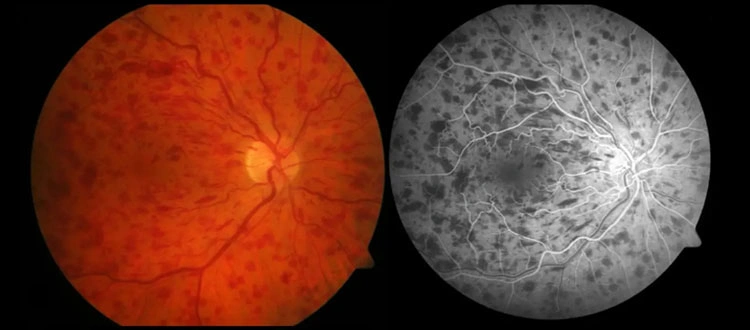
10 Jul Optic Atrophy: Causes, Symptoms, Diagnosis, and Treatment
Vision is one of our most valuable senses, and the optic nerve plays a vital role in helping us see the world. The optic nerve carries visual information from the eyes to the brain, where images are processed and interpreted. When this nerve becomes damaged, the condition is known as optic atrophy. This damage can interfere with the transmission of visual signals, leading to reduced vision or even permanent vision loss if left untreated.
Optic atrophy is not a disease itself but rather a sign of damage to the optic nerve caused by various underlying conditions. Early diagnosis and appropriate medical care are essential to slow the progression of the condition and preserve as much vision as possible.
What Is Optic Atrophy?
Optic atrophy occurs when the nerve fibers of the optic nerve deteriorate due to injury, disease, or insufficient blood supply. Since optic nerve tissue has a very limited ability to regenerate, damage is often irreversible. However, identifying the underlying cause at an early stage may help prevent further deterioration and protect the remaining vision.
The condition may affect one eye or both eyes and can occur in both children and adults.
Common Causes of Optic Atrophy
There are several reasons why optic atrophy may develop. One of the most common causes is glaucoma, where increased pressure inside the eye gradually damages the optic nerve. Other causes include optic neuritis, traumatic eye injuries, brain tumors, stroke, inherited eye disorders, infections, nutritional deficiencies, and certain neurological diseases.
Some children are born with optic nerve abnormalities or develop optic atrophy due to genetic conditions or complications during pregnancy or birth.
Symptoms of Optic Atrophy
The symptoms of optic atrophy vary depending on the extent of nerve damage. Common signs include blurred vision, decreased visual sharpness, difficulty distinguishing colors, reduced peripheral vision, poor contrast sensitivity, and slow vision loss. In some cases, patients may notice sudden vision changes if the underlying cause develops rapidly.
Anyone experiencing unexplained vision loss should seek immediate evaluation from an experienced ophthalmologist.
Diagnosis
Diagnosing optic atrophy involves a comprehensive eye examination and several diagnostic tests. Eye specialists may recommend visual acuity testing, visual field assessment, Optical Coherence Tomography (OCT), fundus photography, MRI scans, blood investigations, and neurological examinations to identify the exact cause of optic nerve damage.
Accurate diagnosis allows doctors to develop an individualized treatment plan based on the patient’s condition.
Stem Cell Treatment Options For Optic Atrophy in India
Treatment focuses on managing the underlying cause and preventing additional optic nerve damage. Depending on the diagnosis, treatment may include medications, glaucoma management, treatment for infections or inflammation, nutritional support, vision rehabilitation, or surgery in selected cases.
Advanced regenerative medicine, including stem cell-based therapies, is also being studied as a potential option for certain patients with optic nerve disorders. While research continues, some specialized medical centers offer these treatments for carefully selected candidates after detailed medical evaluation.
Conclusion
Optic atrophy is a serious condition that can significantly affect a person’s vision and quality of life. Although damaged optic nerve fibers cannot usually be fully restored, early diagnosis, proper treatment, and regular follow-up can help preserve remaining vision and slow disease progression. If you or a loved one experiences persistent vision problems, consulting an experienced eye specialist as early as possible is the best step toward protecting long-term eye health.
Frequently Asked Questions (FAQs)
- What is optic atrophy?
Optic atrophy is the degeneration or damage of the optic nerve, resulting in reduced transmission of visual signals from the eye to the brain and causing vision loss.
- What are the main causes of optic atrophy?
Common causes include glaucoma, optic neuritis, traumatic injuries, brain tumors, inherited disorders, poor blood supply, infections, and neurological conditions.
- Can optic atrophy be treated?
Treatment depends on the underlying cause. While existing optic nerve damage is usually permanent, early treatment may help prevent further vision loss and preserve remaining eyesight.
- How is optic atrophy diagnosed?
Doctors diagnose optic atrophy through comprehensive eye examinations, OCT scans, visual field tests, fundus examination, MRI imaging, and other investigations based on the patient’s symptoms.
- Can stem cell therapy help optic atrophy patients?
Stem cell therapy is an emerging area of research. Some specialized centers provide this treatment for selected patients, but suitability and expected outcomes should always be discussed with a qualified eye specialist.
No Comments