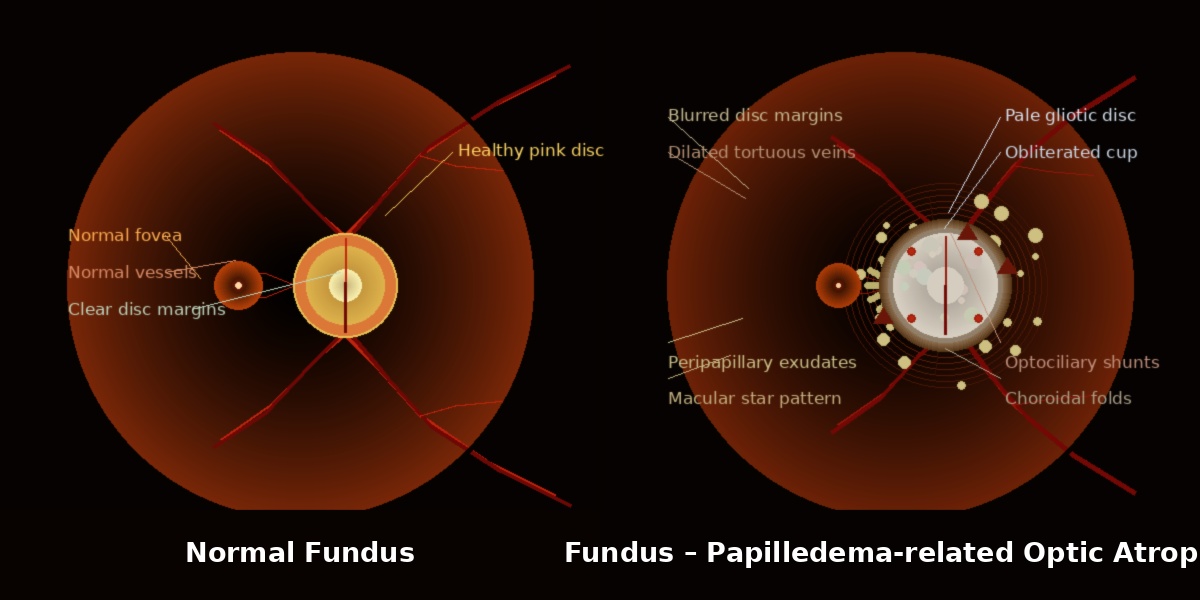
Papilledema-related optic atrophy is the permanent loss of nerve function that follows prolonged, unresolved swelling of the optic disc. While papilledema itself is an acute response to increased pressure within the skull, this condition represents the end-stage scarring and death of nerve fibres that follows if that pressure is not relieved in time. Preventing this transition is the primary goal of neuro-ophthalmological care, since once optic atrophy develops, the resulting vision loss is largely permanent.

Associate Professor, Vitreo-Retina Surgeon. 10+ Years Experience

Senior Consultant Ophthalmologist & Eye Surgeon· 26+ yrs experience

Consultant Ophthalmologist & Eye Surgeon, MD, DO .16+ Years Experience

Your family is very thankful to stem cell cure india for being there for us. The doctors were very understanding and the staff made it a point to see that we were comfortable during the treatment.

From the first time we talked to the team and in all the discussions that followed, the team was really easy to talk to and explained everything clearly. They took the time to understand what was going on
“Yes. The underlying cause of raised intracranial pressure must be identified and treated by a neurologist or neurosurgeon before evaluating suitability for stem cell therapy.”
“Our team coordinates with your treating neurologist to confirm your intracranial pressure is stable before proceeding.”
“If caught early, papilledema-related vision changes can often improve significantly with prompt treatment. However, once optic atrophy has developed (i.e., the nerve fibres have already died from prolonged swelling), the vision loss becomes permanent — this is why early diagnosis and treatment are critical.”

We would love to hear from you! Please fill out the form below.